The Crucial Role of Quality Management in the Energy Industry
Across three events, a combined 3 gigawatts of solar generation near Odessa, Texas, tripped offline after improperly responding to routine faults that were cleared in less than one-tenth of a second. The events, which occurred in 2021 and 2022, didn’t trigger blackouts, but they raised alarming concerns about grid reliability.
In summarizing its findings from the incidents, the North American Electric Reliability Corporation (NERC) recommended strengthening commissioning and verification practices of inverter-based resources (IBRs), a form of quality management.
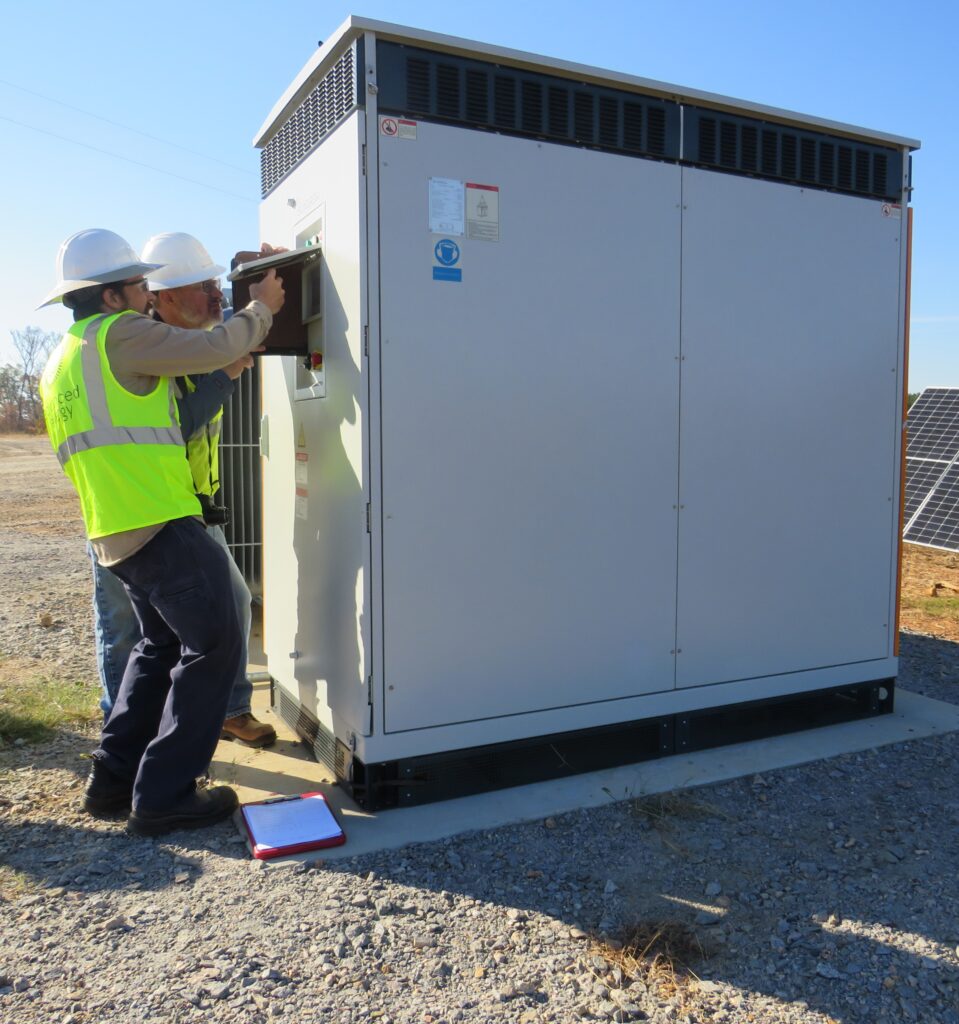
IBR commissioning and verification can determine whether IBR facilities comply with appropriate standards (such as IEEE 2800), recommendations and transmission operator requirements, and whether what’s supposed to be installed on-site is actually there. The results are a reduced likelihood of faults, better models and an overall stronger grid.
What is quality?
According to the late Phil Crosby, known as “The Quality Man,” quality management has four absolutes:
- Quality is defined as conformance to requirements. Products and services should meet specifications and expectations set by the organization and end user.
- Issues should be addressed in development to prevent defects rather than be inspected, tested and fixed after the fact.
- The performance standard of quality should be defect-free, following the principle of “doing it right the first time.”
- Quality is measured through the price of nonconformance.
In a way, quality can be difficult to conceptualize. An ideal outcome is the absence of something. An absence of required rework, repairs, warranty claims, complaints, etc. All of these have a cost, whether it’s time, money or both, that’s being avoided.
In the IBR space, quality’s value is clear — preventing large-scale adverse operating conditions and even blackouts that could affect millions. But quality is no less important in other energy-related areas.
Quality across the industry
Consider a local municipality looking to plan for electric vehicle (EV) demand by installing charging infrastructure.
Following make-ready best practices (conformance to requirements, addressing issues during development) can minimize the need for future electrical service upgrades and ground disturbance (doing it right the first time, limiting rework); installing chargers that comply with the Open Charge Point Protocol (OCPP) standard ensures they’ll operate across energy management networks and won’t become stranded assets. You get the idea.
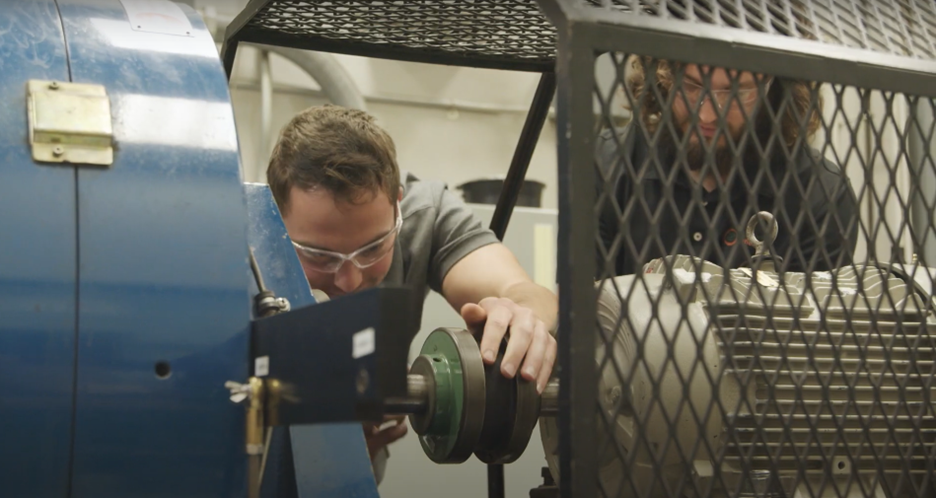
It’s no different with electric motors. There are millions of motor systems across the U.S. commercial and industrial sectors, and every year, a chunk of them need to be repaired, usually at motor service centers.
A concern when repairing a motor, though, is that it can lose efficiency, and this can be costly for a facility. Around 96% of the lifetime cost of a motor stems from its ongoing operation.
But industry standards offered by the Electrical Apparatus Service Association, American National Standards Institute and National Electric Manufacturers Association, such as EASA/ANSI AR100 and NEMA MG-1, already exist, and these detail how to repair a motor so that it will maintain its reliability and efficiency. The reward for service centers that conform to these guidelines? Happier customers (greater motor efficiency = greater energy savings), less rework and fewer warranty repairs.
And in people’s homes, quality management can be seen in pilot testing the latest technologies and uncovering the configurations and variables that allow them to deliver their intended outcome without straining the grid.
Putting in that work early is what generates more confidence in utilities that these devices — when rolled out on a larger scale, for example — will perform as expected. And it will help produce energy savings and gains in comfort for occupants.
Quality management is at the core of what we at Advanced Energy do as an independent energy consulting and engineering firm, and we don’t see that changing anytime soon.
 All Blog Posts